
LAYALE CHAKER’S ROSE PETALS ON THE ROAD HOME
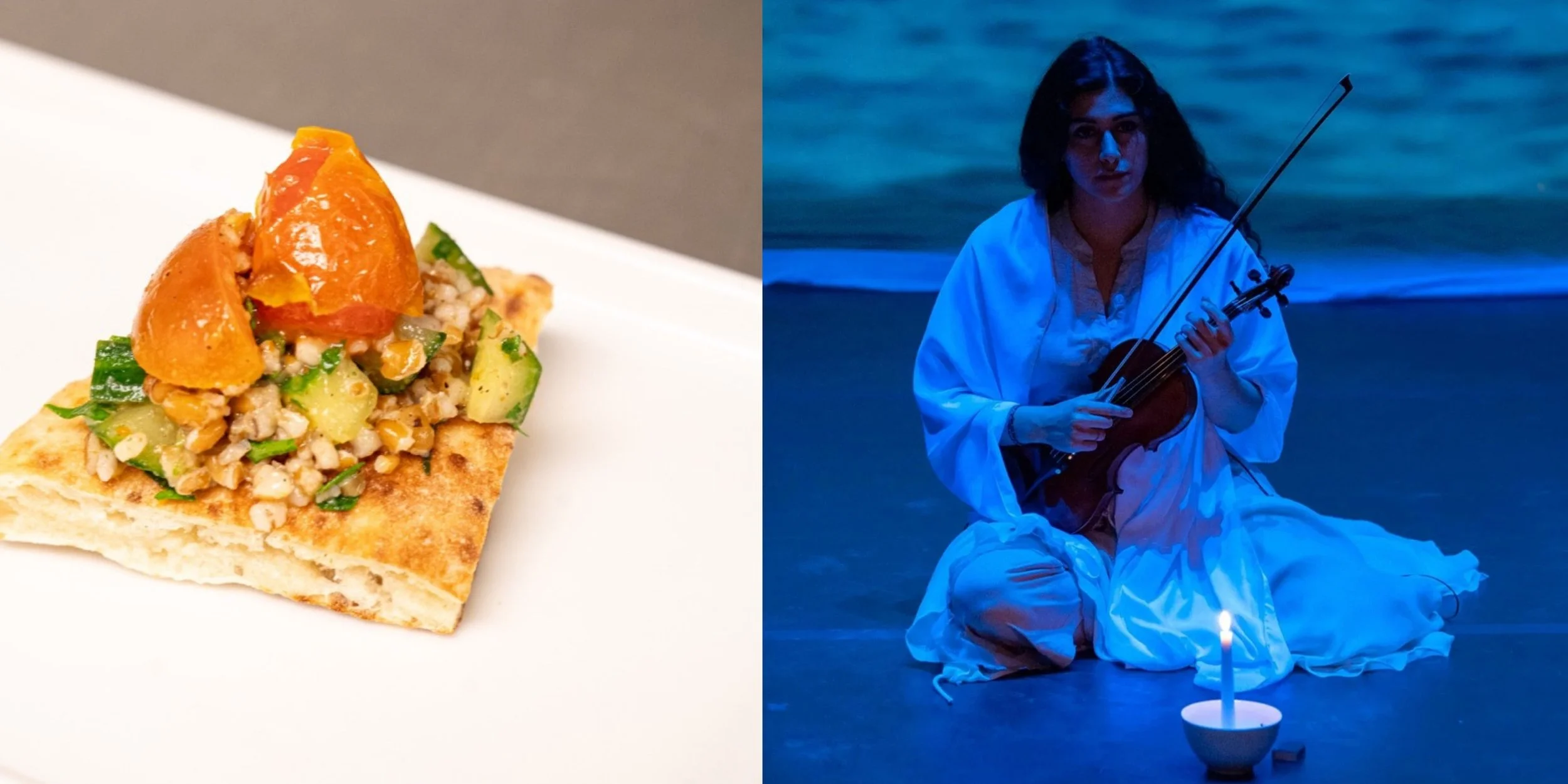
Tomato Kamounet // Layale Chaker
Recipe (serves approximately 6-8 people)
For the tomato–bulgur mixture
500g ripe tomatoes
250g fine brown bulgur wheat
2 heaped tbsp good-quality tomato paste
For the kammouneh
2 tbsp kammouneh (see previous video)
1/2 tbsp cumin
1/2 tbsp Sabaa Bharat (see previous video)
Sea salt
1 wedge red capsicum
1 sprig mint, leaves only
1 sprig basil, leaves only
1 sprig marjoram, leaves only
1 small brown onion
1 spring onion
80g fine brown bulgur wheat
For the salad
1 Lebanese cucumber, finely diced
1 punnet cherry tomatoes, cut into quarters
1 Spanish onion, finely diced
1 long green chilli, finely sliced
1 handful flat-leaf parsley, finely diced
1 handful mint, finely diced
1 handful fresh oregano leaves
To serve
Extra virgin olive oil
Fresh vine leaves or cos lettuce leaves
Lebanese bread
Recipe made in collaboration with Twist Catering NYC.
Some memories survive not in photographs, but in colors. For Layale Chaker, one of those colors is rose. The color of dried rose petals. The color of flowers scattered across roads leading home.
In 2000, after the liberation of southern Lebanon, Layale traveled with her family toward her mother's village near the border. For hours, people stood along the roads. Throwing rice. Throwing flowers. Covering the ground with rose petals. Welcoming people home.
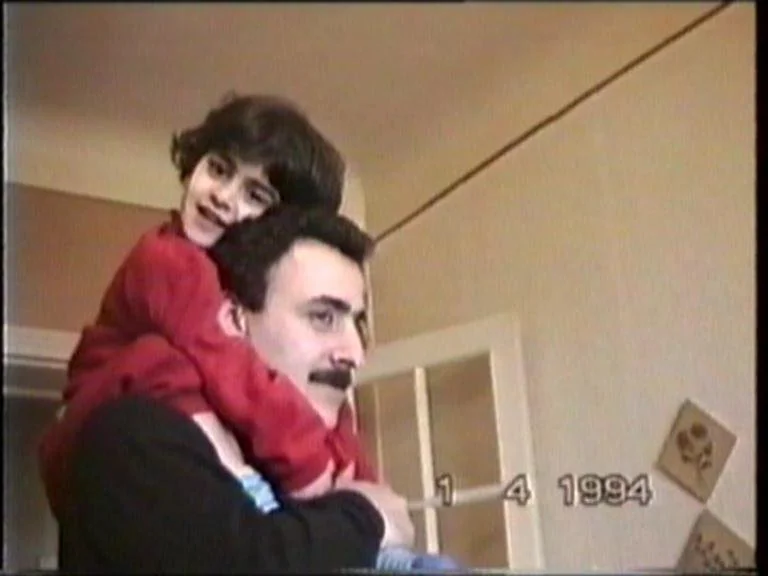
Layale and Baba.
As Layale remembers it, this remains one of the most emotional memories of her life. But for Layale, rose petals are not only symbols of return. They belong to rituals. To celebrations. To weddings. To family gatherings. And to mourning. In southern Lebanon, rose petals accompany people through life's passages. They welcome the living home and honor the dead on their final journey.
The same rose petals appear in Tomato Kamounet. A dish of tomatoes, bulgur, herbs, spices, orange peel, olive oil, and dried rose petals. For Layale, the dish is inseparable from the women who prepare it. Grandmothers. Mothers. Matriarchs. As she describes it, Kamounet immediately brings to mind the women who lovingly gather ingredients, mix spices by hand, and prepare the Sunday meals that bring families together.
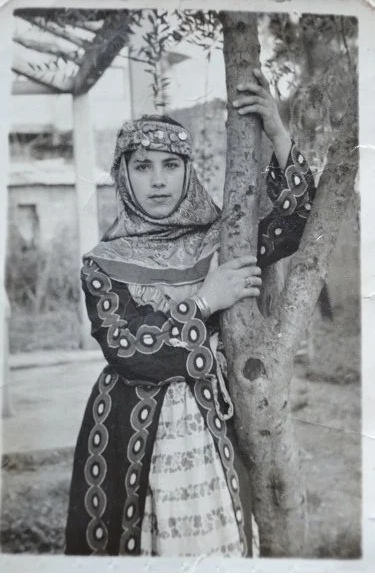
Layale’s grandmother, Tata Marie.
It is a dish of belonging. Layale spoke about how recipes in the Levant are never just recipes. They carry knowledge of the land. The herbs that grow wild. The seasons that shape them. The generations who learned how to gather them, cook them, and share them. That is why food becomes so deeply tied to identity, memory, and history. To know the land. To love the land. To feed one's family from the land. These things are inseparable. And sometimes, people can no longer freely return to that land. Sometimes the land itself becomes threatened. When that happens, stories and recipes become a way of carrying home forward. They remain. They are remembered. They are passed on.
Bloodlines began in New York in 2024, during a time when conversations about history, identity, war, and belonging often felt impossibly difficult. Many of the artists in this project carry family histories shaped by displacement, occupation, conflict, and survival. Layale's story is one of those stories. Yet the moment I remember most was not a debate. It was a song. One evening, Layale stood with her violin and sang an old Palestinian lullaby, one she told me she sings to her son, Shams. There was no explanation. No political statement. No historical timeline. Just a mother singing to her child. The room fell silent. People listened. People were overwhelmed. Many were moved to tears.
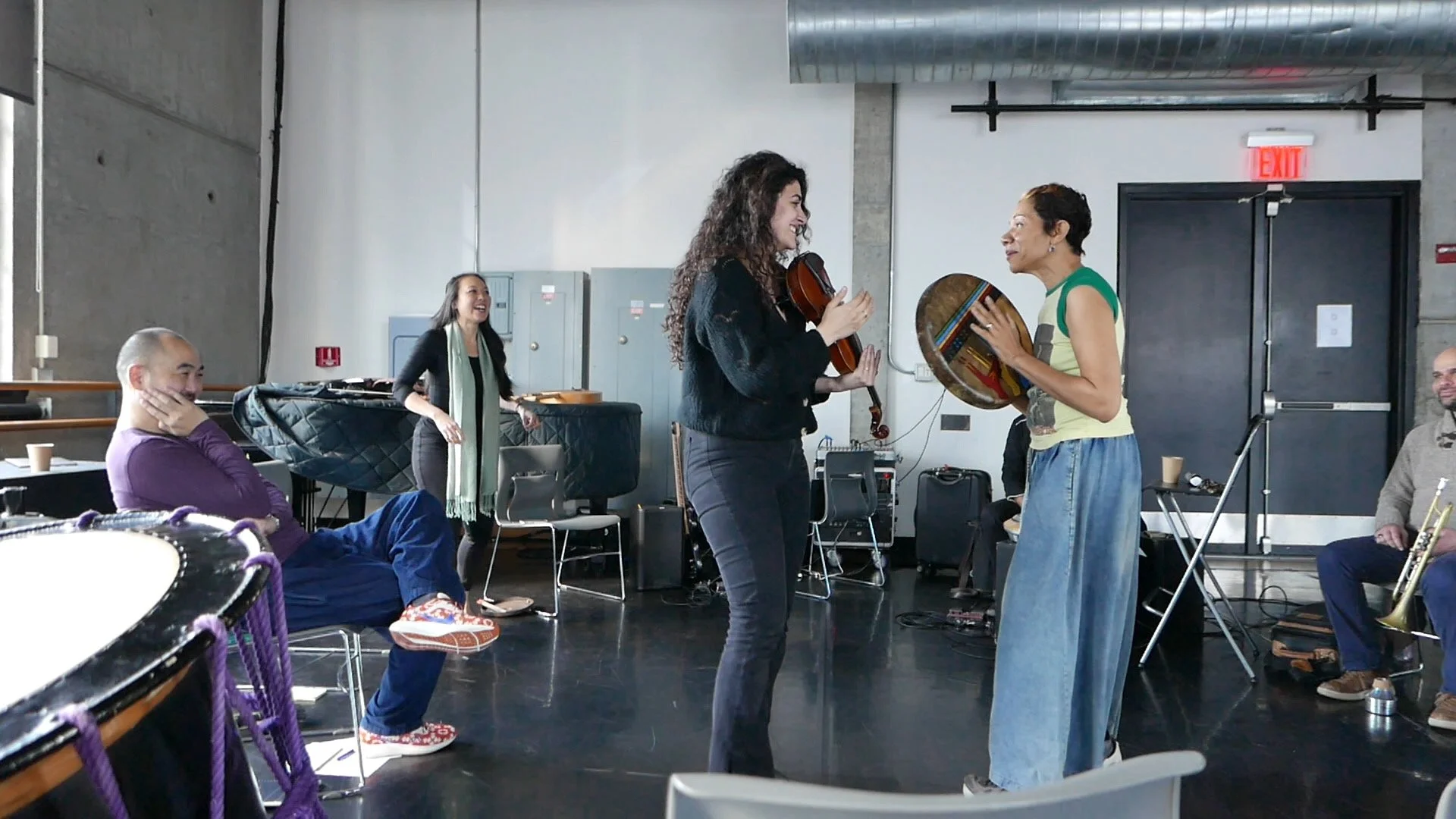
Layale and Martha Redbone during a Bloodlines Interwoven gathering in 2024.
For a few minutes, history was no longer an abstraction. It was a memory. It was love. It was a family carrying home across generations. Nothing needed to be explained. The music had already said everything. Perhaps that is what this dish carries, too. The knowledge of how to love a place.
For this recipe, tomatoes, cumin, herbs, olive oil, and rose petals come together on a single plate. A reminder that home is not always something we can keep. Sometimes it is something we carry. In a song. In a recipe. In a lullaby.
From one generation to the next. So it will not be forgotten. And in the memory of rose petals scattered along a road leading home.
— Yurie Ito
Cooking Instructions
Pulse the washed, ripe tomatoes in a food processor until they are finely blended and the liquid from them is released.
Put the bulgur wheat in a deep wide bowl and cover with the tomato mixture. Use your hands or a spoon to combine the tomato juice and the bulgur, making sure not to leave any bulgur uncoated. Allow to stand for 30 minutes.
Meanwhile, for the kammouneh, put all the ingredients in a food processor and pulse until you see the mixture combined and crumbly. The aim is to form a loose, fragrant and crumbly mixture that will be used to flavour the tomatoes.
Put the loose kammouneh mixture, the tomato bulgur mixture and the tomato purée in a bowl large enough to incorporate all the ingredients. Begin to combine the mixtures together, incorporating them both as much as possible. Drizzle 2 tablespoons of olive oil throughout the mixture to help bind it together slightly.
Add the cucumber, cherry tomatoes, onion, chilli and fresh herbs to the mixture and delicately toss through. This is traditionally served heaped on a plate with a generous drizzle of extra virgin olive oil, scooped up with vine leaves and eaten with fresh Lebanese bread and a platter of fresh vegetables.
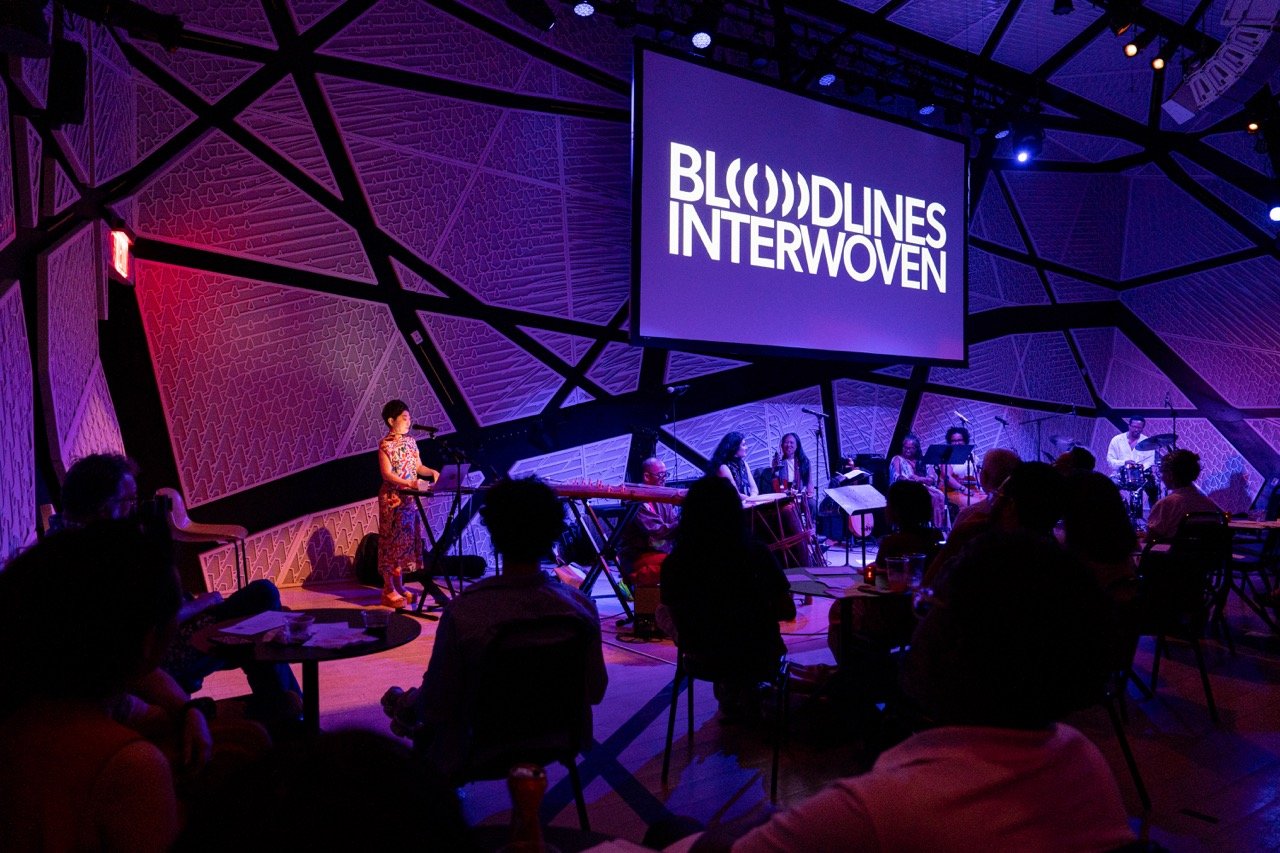
At the Bloodlines Interwoven concert on July 01, 2026 reading some of the stories behind the food. With me on stage are Kaoru Watanabe, Layale, Jen Shyu, Fay Victor, Marika Hughes, and Nasheet Waits.
